Teach Me First Manga: The Complete Reader’s Guide to This Romance Manhwa
Everything you need to know about Teach Me First — story breakdown, character analysis, where to read each version, episode highlights, and why this romantic comedy has captured the attention of readers across every platform it appears on.
Page Contents
- What Is Teach Me First — The Full Introduction
- Story Overview and Plot Summary
- Main Characters and Their Development
- Episode 4 — Why This Chapter Matters
- Teach Me First Honeytoon — The Platform Version
- Where to Read Teach Me First — Complete Platform Guide
- Teach Me First Comic vs Manga vs Manhwa — Understanding the Terms
- How Teach Me First Compares to Similar Romance Titles
- Art Style and Visual Storytelling
- Why Readers Keep Coming Back
- Frequently Asked Questions
What Is Teach Me First — The Full Introduction
If you spend any time browsing romance comics online, you have almost certainly come across Teach Me First. The series has become something of a quiet phenomenon — not through aggressive marketing or mainstream media coverage, but through readers genuinely recommending it to each other across forums, social media, and comment sections. It is the kind of story that finds its audience through word of mouth, and once someone reads it, they tend to stick around.
At its core, Teach Me First is a romantic comedy manhwa — which means it is a Korean comic, though many readers refer to it as Teach Me First manga simply because that term has become a catch-all for Asian comics in many English-speaking communities. The confusion is understandable. Search engines show people looking for Teach Me First comic, Teach Me First manga, and Teach Me First manhwa all with the same intent — they want to read and understand this particular love story.
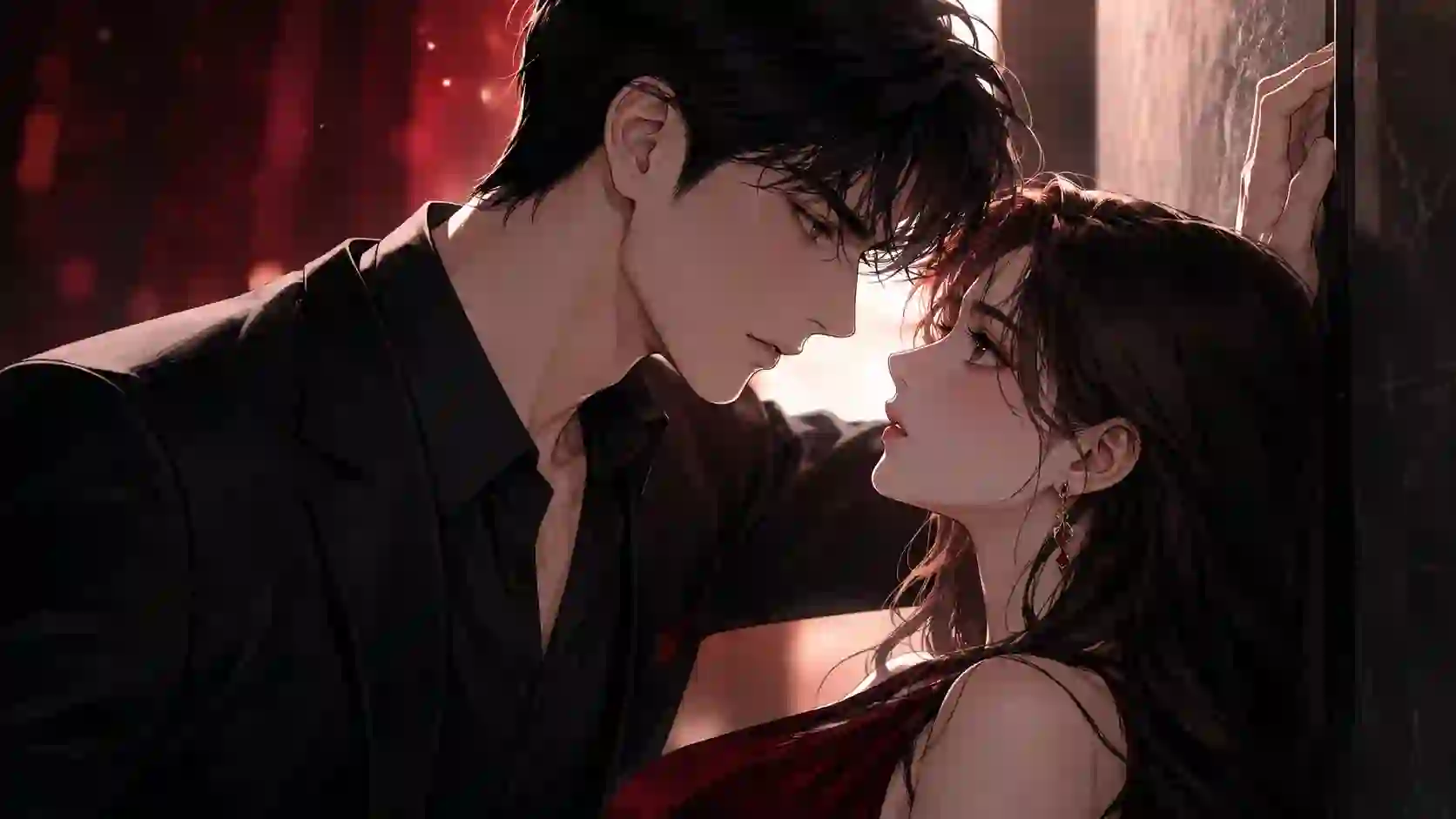
The premise starts simply enough. Two people enter into a tutoring arrangement. One is academically gifted but socially reserved. The other is outgoing, confident, and struggling with a subject that stands between them and a personal goal. What begins as a straightforward academic exchange slowly transforms into something far more complicated — and far more interesting. The series excels at capturing those small, charged moments between people: a glance held a second too long, a sentence that means more than the words suggest, the gradual realisation that what started as a favour has become something neither party wants to end.
What sets Teach Me First apart from other romance comics is the quality of the dialogue. Too many stories in this genre rely on dramatic misunderstandings and contrived situations to generate tension. Teach Me First mostly avoids those shortcuts. The characters talk to each other — sometimes awkwardly, sometimes with surprising honesty — and the story progresses through their interactions rather than through external plot devices. This makes the relationship feel earned, which is probably the highest compliment you can give a romance narrative.
Readers searching for teach me first! with the exclamation mark are often looking for that specific, definitive version of the title — the one that has generated so much discussion. The exclamation mark is part of the official title styling for certain releases, and it captures something about the tone of the series: enthusiastic, a little playful, but with genuine feeling behind it.
Story Overview and Plot Summary
The story opens with a straightforward setup. The female lead needs help with a particular subject — the specifics matter less than what this academic struggle represents for her. She has goals that depend on passing, and failure is not something she is willing to accept. The male lead possesses the knowledge she needs but lacks the social inclination to offer help unprompted. When circumstances push them together, the tutoring begins.
Early episodes establish the dynamic quickly. She is determined, sometimes stubborn, and not easily impressed. He is quiet, observant, and unexpectedly patient. Their sessions together are initially awkward — two people with different communication styles trying to find common ground. But something shifts as the episodes progress. The silences become more comfortable. The conversations extend beyond the subject matter. Personal details slip out in unguarded moments.
What makes the storytelling effective is restraint. The creative team behind this series understands that romance works best when the audience can feel the tension building. A scene where nothing explicitly romantic happens can still feel intensely romantic because of how the characters look at each other, or the way a panel is composed, or the pause between dialogue bubbles. This is not a story that rushes to physical intimacy or dramatic confessions. It takes its time, and the patience pays off.
As the series moves forward, external complications naturally arise. Other characters enter the picture — some as friends, some as potential romantic rivals, some as people from the leads’ pasts who complicate the present. But unlike many romance comics that use these additions to manufacture unnecessary drama, Teach Me First integrates them in ways that feel organic. They serve the character development rather than merely extending the plot.
The central question driving the narrative is not “will they end up together?” — most readers assume they will — but rather “how will they get there, and what will they learn about themselves along the way?” That subtle shift in focus makes all the difference. It transforms what could be a predictable romance into a genuinely engaging character study.
Main Characters and Their Development
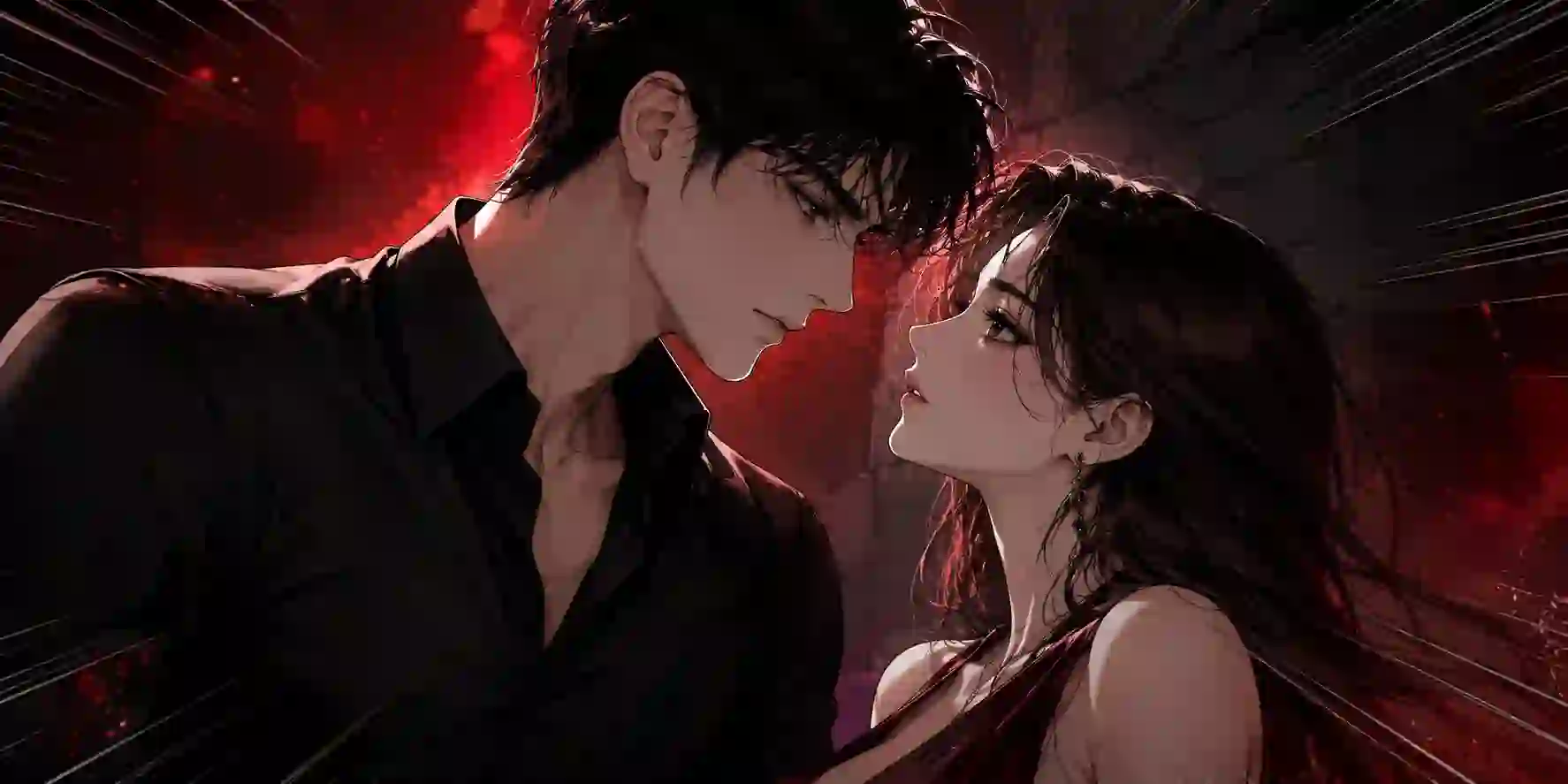
The strength of any romance story lives or dies on its characters, and this is where Teach Me First genuinely shines. Both leads are written with enough depth that you could imagine having a conversation with them — they have opinions, insecurities, private jokes, and personal histories that inform how they behave.
The female protagonist is driven and ambitious, but not in the shallow, one-dimensional way that female characters in romance comics are sometimes written. Her academic goals connect to something personal — a family expectation, a promise she made to herself, a future she is actively trying to build rather than passively waiting for. She makes mistakes. She gets frustrated. She has moments where her confidence wavers and moments where she surprises herself with her own boldness. Readers who connect with her often mention that she feels like someone they might actually know.
The male lead is equally well-constructed. He is intelligent without being arrogant, reserved without being cold. His quietness comes from thoughtfulness rather than disinterest. When he does speak, his words carry weight precisely because he does not waste them. The series gradually reveals why he keeps people at a certain distance, and the explanation feels grounded rather than melodramatic. His development throughout the story involves learning that letting someone in does not mean losing control — a realisation that arrives slowly and believably.
Supporting characters deserve mention as well. Friends are not just narrative devices to push the leads together or create misunderstandings. They have their own personalities, their own concerns, and their own relationships that run parallel to the main story. The best secondary characters in any series are the ones you would happily read a spin-off about, and Teach Me First has several who qualify.
One aspect of the character writing that deserves particular praise is how the series handles emotional vulnerability. Both leads have moments where they must admit something difficult — to themselves or to each other — and these scenes are handled with care rather than treated as plot checkpoints to rush through. The pacing of emotional revelations matches how real people process feelings: slowly, sometimes reluctantly, often incompletely at first.
Episode 4 — Why This Chapter Matters
Every romance series has an episode where everything clicks into place — the moment the story stops being an interesting premise and becomes something the reader is emotionally invested in. For Teach Me First, that episode is number four.
Teach Me First episode 4 represents a turning point in the narrative. By this stage, the tutoring sessions have been established, the initial awkwardness has begun to fade, and the characters have started to see each other as individuals rather than just as “tutor” and “student.” But episode four pushes things further. Something happens — a small moment, almost insignificant on the surface — that changes the emotional register of the entire series.
Without revealing specific plot details that would spoil the experience for new readers, what makes this episode significant is that it is the first time both characters consciously acknowledge — even if only internally — that their feelings might extend beyond the tutoring arrangement. The episode does not resolve this tension. It does not even fully articulate it. But the shift is there, visible in the artwork and the dialogue, and attentive readers will notice the change immediately.
The pacing of this revelation is worth examining. A lesser series might have rushed to a confession or manufactured a dramatic moment to force the issue. Teach Me First takes a quieter approach. The episode builds toward a scene where the two leads share an ordinary moment — nothing extravagant, nothing cinematic — but the way it is drawn and written makes it feel significant. The panels linger. The dialogue has pauses that say as much as the words. The reader understands that something has shifted even if the characters themselves are not fully ready to admit it.
Readers searching for teach me first episode 4 specifically are often looking for confirmation that this is the point where the series truly becomes worth following. The answer is yes — if you have been reading the first three episodes and wondering whether to continue, episode four will likely convince you. It is the moment the series demonstrates what it is capable of.
The episode also introduces subtle complications that will become more significant later — a brief mention of something from a character’s past, a name dropped in passing, a facial expression that hints at unspoken concerns. These are the details that reward re-reading. What seems like a simple transitional episode on first encounter reveals layers of careful setup on a second or third pass.
Teach Me First Honeytoon — The Platform Version
If you have been searching for Teach Me First honeytoon or honeytoon teach me first, you are likely encountering the series through the Honeytoon platform — a digital comics service that hosts a variety of romance and comedy titles. Honeytoon has become one of the more visible homes for this series, and many readers first discover Teach Me First while browsing honeytoon comics in the romance category.
The Honeytoon version of Teach Me First is the same core story found on other platforms — same characters, same plot progression, same emotional beats. What differs is the reading experience. Honeytoon presents its comics in a vertically scrolling format optimised for mobile devices, which suits this series well. The panel transitions feel natural, the artwork benefits from the continuous scroll rather than page turns, and the platform interface is clean enough that it does not distract from the reading experience.
Some readers specifically look for teach me first honeytoon free or honeytoon teach me first free access, hoping to read without payment. Like most digital comics platforms, Honeytoon typically operates on a mixed model — some episodes may be available through free promotions or ad-supported reading, while others require coins or a subscription. The specifics can change depending on regional availability and ongoing promotions. What remains consistent is that the platform provides a legitimate, authorised way to read the series, which matters for anyone who wants to support the creators while enjoying the content.
For those who enjoy the Honeytoon reading experience, the platform also hosts several other titles worth exploring. Readers who like Teach Me First often find themselves drawn to outlaw girl honeytoon — another romance title with strong character dynamics — and prank goes wrong honeytoon, which leans more heavily into the comedy side of the romance-comedy spectrum. Both share enough DNA with Teach Me First to appeal to the same audience while offering distinct enough experiences to justify reading all three.
The popularity of honeytoon comics free and free honeytoon comics as search terms reflects a broader reality about how people discover digital comics. Many readers want to sample content before committing financially, and platforms that offer genuine free access — even if limited — tend to build larger audiences over time. The key is finding the legitimate free options rather than unauthorised sources.
One thing to note for readers specifically searching for honey toon tech me first — this is a common misspelling and search variation. Search engines generally handle these queries well and direct users to the correct content, but it is worth being aware that the official title is Teach Me First regardless of how it appears in search results.
Where to Read Teach Me First — Complete Platform Guide
This is the question that brings more readers to this page than any other. Where to read Teach Me First — and its many variations like where can I read Teach Me First, where to read teach me first manga, where to read teach me first comic, and teach me first where to read — consistently appears in search queries from readers who have heard about the series and want to start reading.
The good news is that Teach Me First is available across several legitimate digital platforms. The specific platform that works best for you will depend on your region, your preferred reading device, and whether you are looking for free access or are willing to pay for episodes.
For readers searching where can I read Teach Me First for free or how to read teach me first for free, there are legitimate options worth knowing about. Some platforms offer a selection of initial episodes at no cost as a way to introduce new readers to a series. Others provide ad-supported reading where you watch a short advertisement in exchange for access to an episode. Free trials are another common entry point — a platform may offer several days of unlimited reading when you first create an account, which is often enough time to get through a significant portion of the series.
Teach Me First free reading through these legitimate channels is the recommended approach. It supports the creators, ensures you are reading the official translation with correct dialogue and high-quality artwork, and avoids the security risks that sometimes accompany unauthorised reading sites.
For readers specifically asking teach me first comic where to read, the answer depends on whether you are looking for the webtoon scrolling format or a traditional page-based layout. Most digital platforms present the series in the vertically scrolling webtoon format, which is how the majority of readers experience it. This format has become the standard for manhwa distribution and works particularly well on phones and tablets.
Teach me first manga where to read queries often come from readers who prefer the term “manga” even for Korean comics. These readers will find the series on the same platforms — the terminology used in the search does not affect where the content is actually available. The series is the same regardless of whether you call it manga, manhwa, comic, or webtoon.
For those wondering where to watch teach me first for free or where can I watch teach me first for free, it is worth clarifying that Teach Me First is a comic, not an animated series. There is currently no animated adaptation available. The “watch” in these search queries likely reflects readers who are unfamiliar with the format and are using the term broadly to mean “consume” or “experience” the content.
The most reliable approach to finding where to read teach me first manhwa is to check the major digital comics platforms that operate in your region. The series is widely distributed, and chances are high that at least one service you already use or can easily access carries it.
Teach Me First Comic vs Manga vs Manhwa — Understanding the Terms
There is quite a bit of confusion in search results about what to call Teach Me First. You will see Teach Me First comic, Teach Me First manga, Teach Me First manhwa, Teach Me First webtoon, and even Teach Me First toon all being used to refer to the same series. Add in the common misspellings like tech me first comic, tech me first hentai, tech me first manwha, tech me first manhwa, honeytoon tech me first, tech me first uncensored, tech me first manga, and tech me first free, and it is easy to see why someone might be unsure about what exactly they are looking at.
Let us clear this up properly.
Teach Me First is technically a manhwa — a Korean comic. “Manhwa” is simply the Korean term for comics, just as “manga” is the Japanese term. The distinction matters to purists but in practice, English-speaking readers often use “manga” as an umbrella term for comics from East Asia. This is why you see teach me first manga in search results even though the series is Korean in origin. It is not incorrect in the sense that it prevents people from finding what they want, but it is technically imprecise.
Teach Me First comic is the broadest and most universally understood term. “Comic” covers everything — manga, manhwa, webtoons, American comics, European bandes dessinées — and anyone searching for teach me first comic is clearly looking for the story in illustrated form regardless of origin or format.
Teach Me First webtoon and teach me first toon refer specifically to the vertically scrolling digital format. Webtoon is both a format and a brand name (Webtoon is a major platform), but the term has become generic enough that people use it to describe any vertically scrolling digital comic.
The misspelled variations — tech me first instead of “teach me first” — are common enough that search engines have learned to associate them with the correct title. If you have been searching tech me first comic or tech me first manga, you are not alone, and you will still find the right content. The same applies to tech me first manhwa and tech me first manwha (the latter being a double misspelling that nonetheless appears frequently).
One search term worth addressing directly is tech me first hentai. This query sometimes appears because readers assume any romance comic from East Asia with mature themes might fall into that category. Teach Me First is not a hentai series — it is a romance comic with comedic elements. While it may contain romantic situations appropriate for mature readers, it does not belong to the adult genre that the term “hentai” specifically denotes. Readers searching for that type of content will likely be disappointed by what they find here.
The teach me first uncensored search query similarly deserves clarification. Digital comics distributed through official platforms are presented as the creators intended. There is not a separate “uncensored” version distinct from the official release. This search term may reflect readers who have encountered edited or incomplete versions on unauthorised sites and are seeking the original, complete episodes.
How Teach Me First Compares to Similar Romance Titles
Romance comics exist on a spectrum. On one end, you have light, fluffy stories where the biggest obstacle is a minor misunderstanding resolved within two episodes. On the other end, you have intense dramas filled with tragedy, betrayal, and emotional devastation. Teach Me First sits somewhere in the middle, leaning slightly toward the lighter side while still having enough substance to feel meaningful.
Compared to outlaw girl honeytoon, another popular title on the same platform, Teach Me First is more grounded. Outlaw Girl has a more dramatic premise involving higher stakes and more action-oriented elements. Teach Me First keeps its conflicts personal and interpersonal rather than external. Which one you prefer will depend on whether you want your romance with a side of adventure or whether you prefer the drama to come from character dynamics alone.
Prank goes wrong honeytoon occupies a different space entirely. That series leans much harder into comedy, with the romance sometimes feeling secondary to the humorous situations. Teach Me First balances its comedy and romance more evenly. The humour enhances the romantic moments rather than competing with them. If Prank Goes Wrong makes you laugh out loud regularly, Teach Me First makes you smile while also making you care about whether these two people find their way to each other.
Within the broader landscape of honeytoon comics, Teach Me First stands out for its dialogue quality. Many romance comics in the digital space prioritise visual appeal and fast pacing over nuanced conversation between characters. Teach Me First invests time in letting its characters talk — really talk — about things that matter to them. This gives the relationship a foundation that feels more substantial than what you typically find in the genre.
For readers who have explored free honeytoon comics or honeytoon comics free options and are looking for their next read after Teach Me First, both Outlaw Girl and Prank Goes Wrong are natural next steps. They share enough tonal DNA to appeal while being distinct enough to avoid feeling repetitive.
Art Style and Visual Storytelling
The artwork in Teach Me First deserves its own discussion because it does more than simply illustrate the script. The visual choices throughout the series actively contribute to the storytelling in ways that might not be immediately obvious on a casual read-through.
The character designs are clean and expressive. Both leads are drawn attractively but not unrealistically — there is a warmth to the art style that makes them feel approachable rather than untouchably beautiful. Facial expressions receive particular attention. A raised eyebrow, a slight smile, eyes that narrow almost imperceptibly — these small details communicate volumes about what characters are thinking when they are not speaking.
The colour palette shifts subtly depending on the emotional register of a scene. Warmer tones dominate during lighter, more comfortable moments between the leads. Cooler tones appear during scenes of uncertainty or emotional distance. These shifts are gradual enough that you might not consciously notice them, but they affect how each scene feels.
Background art receives appropriate but not excessive attention. The environments are detailed enough to establish place and mood but never so busy that they distract from the characters. This is a deliberate choice — the story is fundamentally about two people and their relationship, and the artwork keeps the focus where it belongs.
For readers searching for teach me first uncensored, the artwork in official versions is exactly as the artist intended. There are no censored or altered versions that differ from the original release. The series is presented in its complete form through authorised platforms.
Why Readers Keep Coming Back
The most telling indicator of a series’ quality is not how many people start reading it but how many people keep reading it. Teach Me First has strong retention — readers who make it past the first few episodes tend to stay with the series through subsequent releases.
Part of this is pacing. The series understands that good romance requires buildup. It does not exhaust its emotional peaks too early. Each episode moves the relationship forward in some way — sometimes through a significant event, sometimes through a small moment that only seems significant in retrospect. This steady forward momentum gives readers a reason to return without making them feel manipulated by cliffhangers or artificial suspense.
Another factor is the series’ emotional intelligence. The characters respond to situations in ways that feel psychologically believable. When there is conflict, it arises from genuine differences in personality or circumstance rather than from someone inexplicably refusing to communicate. This respect for the characters’ intelligence translates into respect for the reader’s intelligence, and that is something audiences notice and appreciate.
The community around the series also contributes to its staying power. Readers discuss episodes, share favourite moments, and debate character motivations. This sense of shared experience makes following the series feel like participating in something rather than just passively consuming content. For anyone searching teach me first! or teach me first comic free looking to join that community, the door is open.
Ultimately, Teach Me First succeeds because it respects the romance genre while also pushing beyond its conventions when the story demands it. It is a series made by people who clearly love romantic storytelling and understand what makes it work — genuine emotion, earned moments, and characters worth caring about.
Frequently Asked Questions
Where can I read Teach Me First?
Teach Me First is available through major digital comics platforms including Honeytoon. The specific platform that works best depends on your region and whether you prefer web-based reading or a mobile app. Our detailed guide above covers the options.
Where can I read Teach Me First for free?
Legitimate free access is sometimes available through platform trials, ad-supported reading models, or promotional free episodes. Checking the official platforms directly will show current free options available in your region.
Is Teach Me First a manga or manhwa?
Technically it is a manhwa — a Korean comic. However, many readers search for teach me first manga and the content is the same regardless of which term you use.
What is Teach Me First honeytoon?
This refers to the version of Teach Me First available on the Honeytoon platform. The story is the same as on other platforms — Honeytoon is simply one of the services that distributes the series.
How many episodes does Teach Me First have?
The series is ongoing with regular new episodes. The total count continues to grow. Episode 4 is frequently discussed as a pivotal early chapter that establishes the emotional direction of the story.
Is there an animated version of Teach Me First?
No, there is currently no animated adaptation. Teach Me First exists as a digital comic (webtoon/manhwa format). Searches for “where to watch teach me first” typically refer to reading the comic through a platform.
What are some similar comics to read after Teach Me First?
Outlaw Girl and Prank Goes Wrong are two frequently recommended titles on Honeytoon that appeal to similar audiences. Both offer romance with different balances of drama and comedy.
Why do search results show both “teach me first” and “tech me first”?
“Tech me first” is a common misspelling. Search engines understand this and typically direct users to the correct content. The official title is “Teach Me First.”
Start Reading Teach Me First Today
Whether you call it Teach Me First manga, Teach Me First comic, or Teach Me First honeytoon — the story is waiting for you. Find it on your preferred platform and discover why readers keep recommending this series.